

When do babies sleep through the night?
When do babies sleep through the night? The honest answer is different for every child. Learn what research says about infant sleep, night waking and gentle, personalised support without cry-it-out.

The 4 Month Sleep Regression Explained: What's Really Happening and How to Support Your Baby Through It
Has your baby suddenly started waking every hour, fighting naps or becoming much harder to settle? The 4 month sleep regression can feel overwhelming, but it's actually a normal stage of your baby's development. In this article, I explain what's really happening, why sleep changes so dramatically around 4 months, and how you can gently support your baby through this milestone.
The 6-Month Sleep Regression: How Object Permanence Can Impact Your Baby's Sleep
The 6-month sleep regression is one of the most common reasons parents seek baby sleep support. If your baby is suddenly waking more overnight, fighting naps, resisting bedtime, or becoming increasingly clingy, developmental changes may be playing a significant role. Around 6 months of age, babies begin developing object permanence, a major cognitive milestone that can impact sleep, separation, and settling. In this article, we'll explore why this happens, what it means for your baby's sleep, and how you can support them through this stage with confidence.
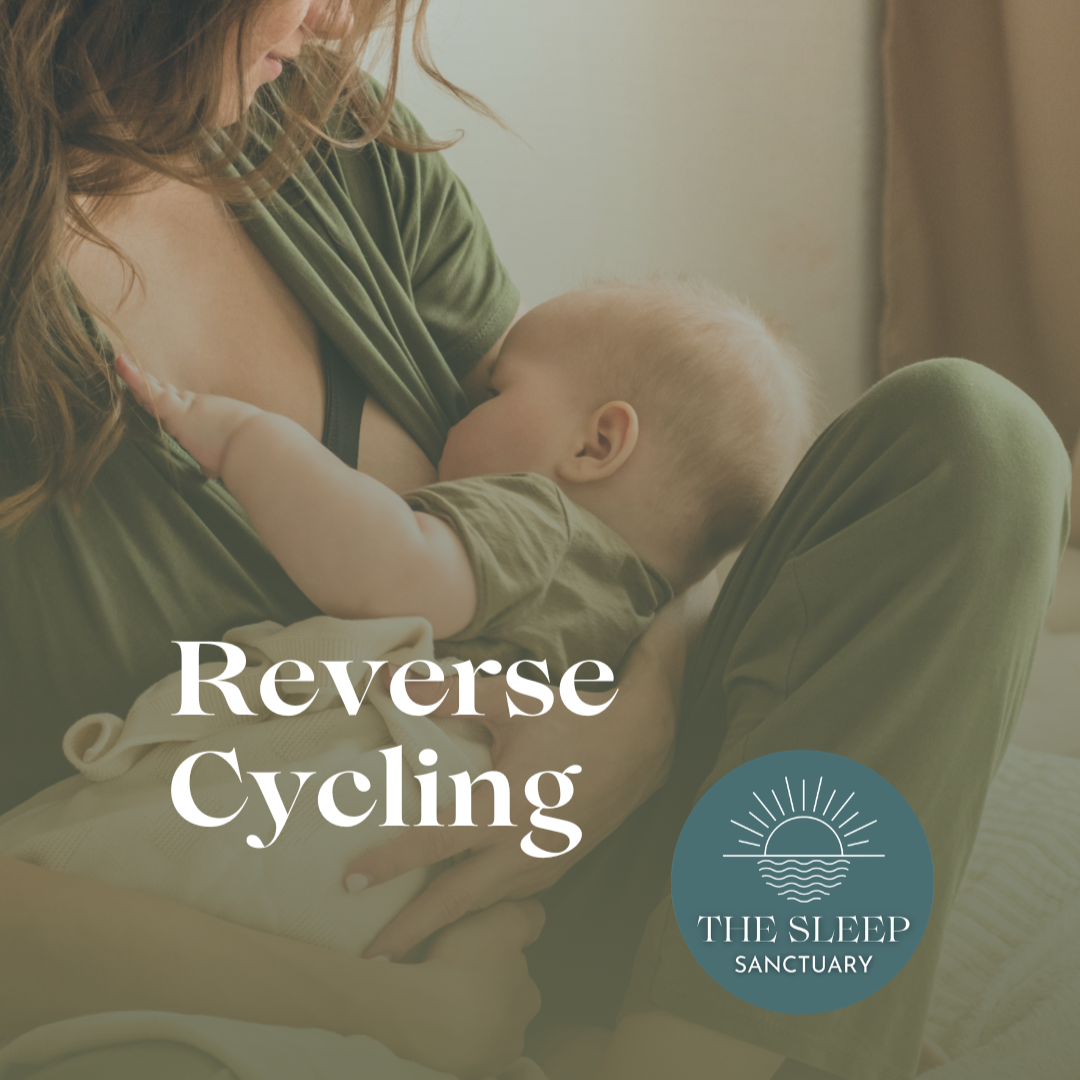
Reverse Cycling in Babies: Why Your Baby Feeds More at Night, and How to Gently Shift It
Is your baby feeding every hour at night but barely interested in feeds during the day? You might be experiencing reverse cycling, a common rhythm shift where babies take in more calories overnight. In this blog, Brisbane sleep consultant Sarah from The Sleep Sanctuary explains why reverse cycling happens and how gentle, responsive sleep support can help families across Brisbane and Australia rebalance sleep and feeding patterns.